
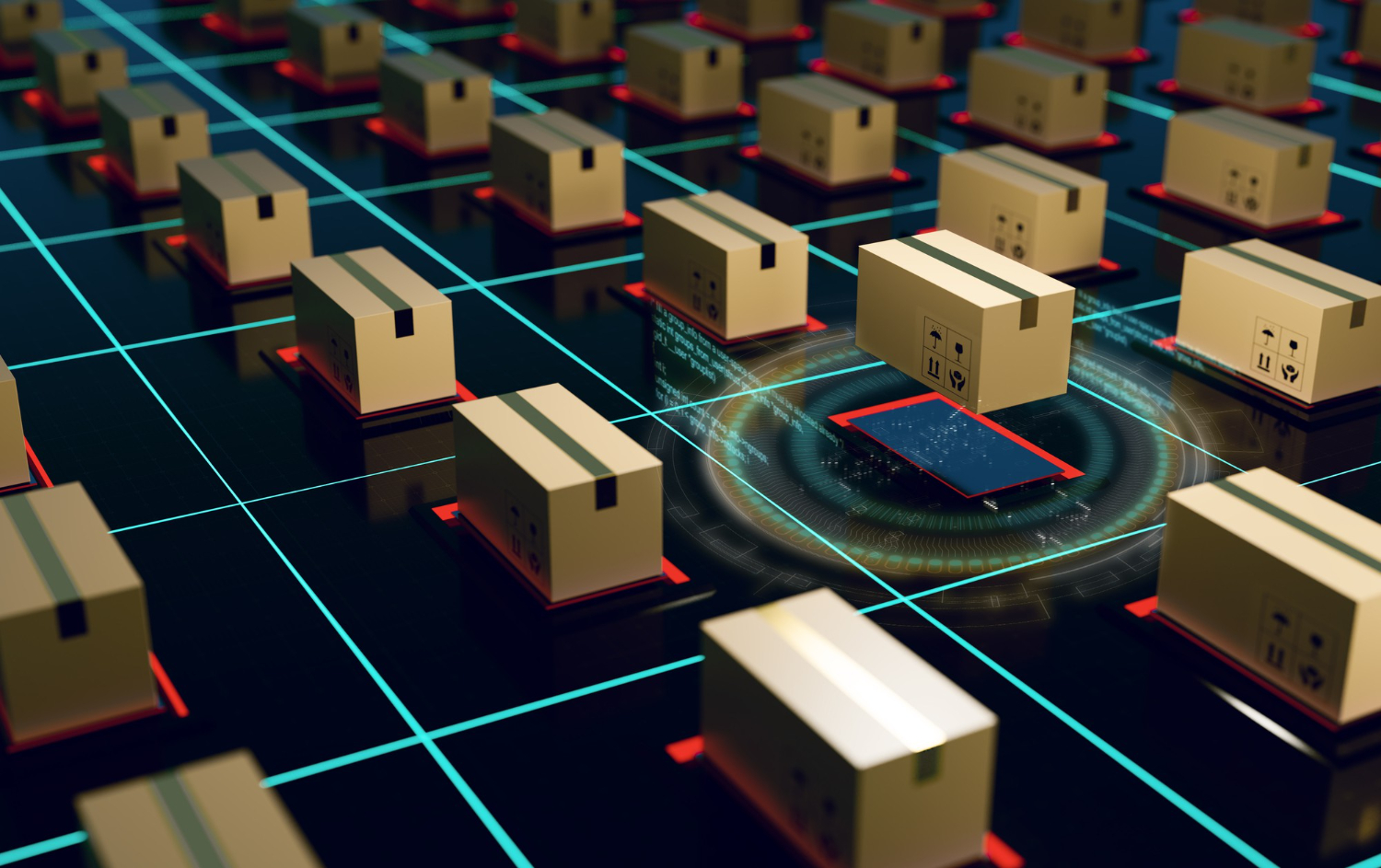
In an era where digital transformation is not just an advantage but a necessity, enterprises are increasingly integrating Internet of Things (IoT) technologies into their ecosystems. This integration, while offering numerous benefits in terms of efficiency and data insights, brings with it a host of challenges, particularly when dealing with large-scale implementations.
The IoT Landscape
The IoT landscape within enterprises is marked by an ever-growing proliferation of devices. These devices, each a node in the vast network, contribute to an exponential increase in data volumes. Unlike traditional data streams, IoT data is characterized by its diversity, volume, and the real-time insights it can provide. However, this wealth of data also introduces significant complexities in collection, processing, and analysis.
Challenges in IoT Implementations
One of the primary challenges in managing IoT data streams is their variable connectivity. Given the geographical dispersion and varying network conditions, IoT devices often produce data in unpredictable, bursty streams. Furthermore, the ecosystem’s diversity – with devices sporting different firmware versions and data formats – complicates the task of aggregating and analyzing data.
Moreover, the presence of anomalous devices, which can flood the system with data akin to a Denial-of-Service attack, poses a significant threat to system stability. Adding to this complexity is the need to prioritize critical data streams, which demand low-latency processing amidst the high-volume traffic.
Data duplication and sequence issues, arising from data traversing multiple networks, and the necessity to monitor device health, add further layers of complexity. These challenges, if not addressed, can overwhelm traditional application architectures, bringing systems to a halt.
Architectural Solutions
To navigate these complexities, a robust architectural framework is essential. Key components of this framework include durable storage solutions to ensure data integrity, scalable architectures to accommodate growth, and high-throughput systems to process large volumes of data efficiently.
Low-latency processing capabilities are crucial for handling critical data streams, enabling real-time analytics and prompt decision-making. Additionally, a comprehensive device management strategy is necessary for the smooth operation of the IoT ecosystem, encompassing health monitoring, firmware management, and anomaly detection.
Key Components for Managing IoT Complexity
Streaming Architecture
A robust streaming architecture is crucial for handling real-time data streams. It provides resilient storage and the ability to scale horizontally, meeting the demands of vast IoT data volumes.
Device Management
Effective device management ensures the orderly operation and maintenance of IoT devices. This includes monitoring device health, managing firmware updates, and ensuring devices are functioning as expected.
Best Practices for Large-Scale IoT Implementations
Implementing large-scale IoT solutions requires careful planning and execution. Key considerations include:
-
- Ensuring the system architecture supports the scalability and flexibility needed to handle diverse and growing data streams.
- Employing robust streaming platforms and tools that offer reliable data processing and storage capabilities.
- Implementing comprehensive device management strategies to maintain device health and performance.
Soulax’s IoT Expertise
In addressing the challenges of large-scale IoT implementations, Soulax stands at the forefront with its extensive expertise and innovative technical framework. Soulax’s solutions are designed to tackle the unique demands of IoT data streams, offering scalable, resilient, and efficient systems.
With a focus on streaming architecture and device management, Soulax’s framework ensures seamless data handling, from collection to analysis, enabling enterprises to harness the full potential of their IoT investments. The integration of advanced analytics and AI further enhances the ability to derive actionable insights from vast data streams, driving significant business value.
Conclusion
The journey towards successful large-scale IoT implementations is fraught with challenges, from managing diverse data streams to ensuring system scalability and performance. However, with the right architectural approach and expert guidance, these challenges can be navigated effectively.
Soulax’s proven expertise in IoT, coupled with its robust technical framework, provides enterprises with the tools they need to transform their operations, leveraging IoT technologies to drive efficiency, innovation, and growth. In the ever-evolving digital landscape, Soulax’s IoT solutions stand as a beacon, guiding enterprises toward a connected, data-driven future.