
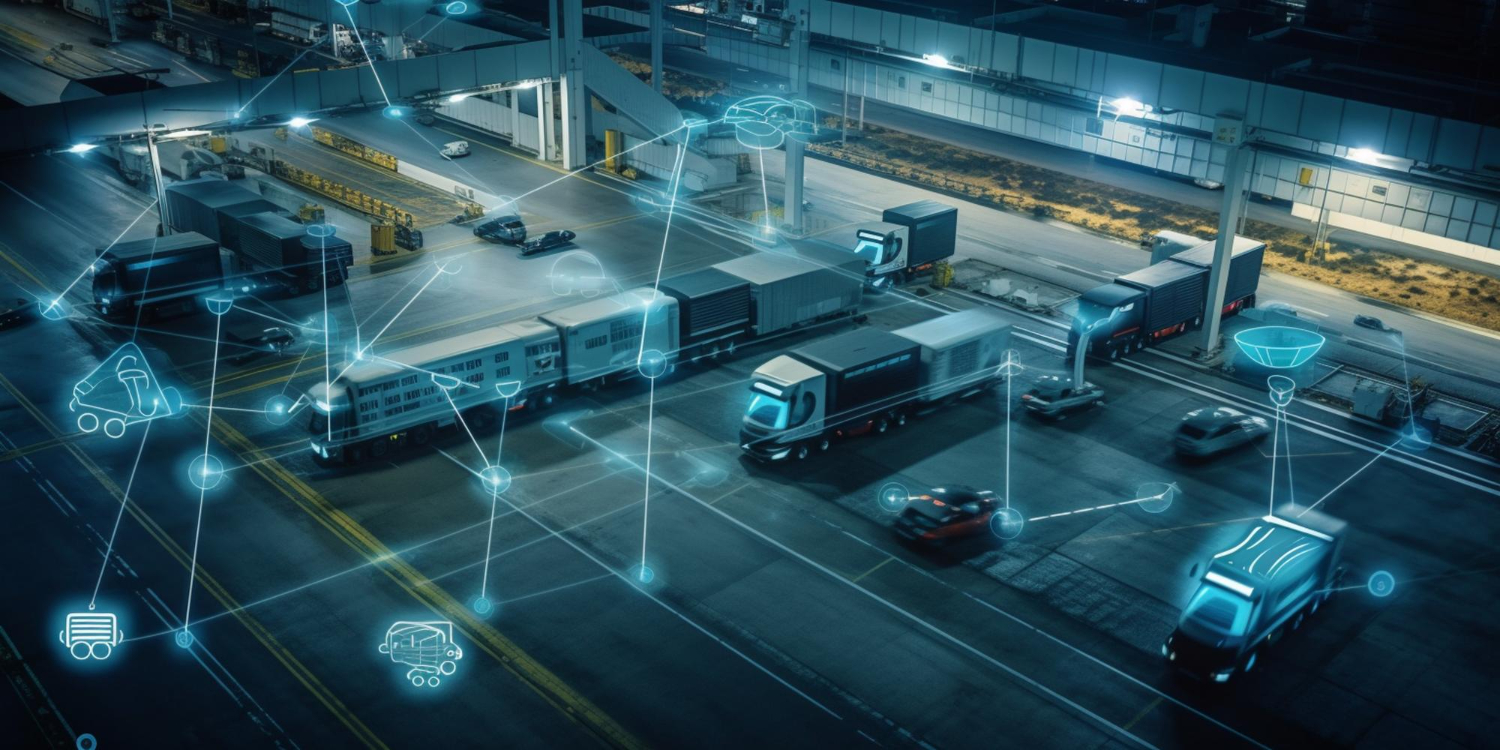
The Internet of Things (IoT) is reshaping industries, promising greater efficiency and innovation. With the integration of interconnected devices, the potential for transforming traditional business models and enhancing productivity is vast. However, the path to fully realizing IoT’s capabilities is fraught with challenges. Complexities in technology integration, scalability, and security can impede the successful implementation of IoT projects, leading to unmet expectations and missed opportunities. Here, we distill our learnings into the three critical junctures where IoT ventures often stumble:
1. Planning for Scalability: Navigating Growth Beyond the Proof of Concept
In the realm of IoT, initiating projects typically begins with a Proof of Concept (POC) phase. This crucial step validates key components like the IoT edge device, network connectivity, and the capacity of IoT sensor data to accurately reflect real-world events crucial to the business. However, a pivotal oversight occurs when enterprises hastily scale up these POCs without a comprehensive understanding of scalability implications.
The transition from a successful POC to full-scale deployment is often underestimated. POCs are designed to prove viability under controlled, small-scale conditions, focusing on the immediate functionality rather than the broader architectural needs of a large-scale implementation. When these projects take on a life of their own, scalability concerns such as system architecture, data management, and infrastructure robustness can become significant challenges, potentially impacting performance, reliability, and overall project success.
Success Strategy: To avoid these pitfalls, it’s essential to approach scalability with a strategic mindset from the outset. This involves considering not just the technical scalability of the IoT devices and network infrastructure but also the scalability of data processing and analytics capabilities. Investing in scalable architectures and technologies ensures that the system can handle an increase in data volume, user demand, and operational complexity without compromising performance. By doing so, businesses can ensure that the transition from POC to full deployment is smooth and that the IoT system is poised for sustainable growth and success.
2. Integration Challenge: Multi-modal Edge Devices and Closed Legacy Systems
Integrating multi-modal edge devices across diverse connectivity networks like cellular, satellite, and WiFi into enterprise systems poses a significant challenge, particularly when integrating this vast amount of sensor data into legacy systems that are often closed and inflexible. The task is complicated by the need to merge this influx of sensor information with legacy infrastructures that are typically rigid, making the integration process daunting.
The complexity escalates when considering the assortment of devices and systems within the IoT ecosystem, each with its unique protocols and standards. This diversity can create substantial barriers to seamless integration, necessitating a strategic approach that includes middleware solutions, standardized IoT platforms, and the use of APIs for compatibility.
Success Strategy: To overcome these integration hurdles, a comprehensive and strategic approach is essential:
-
- Embrace Interoperability: Focus on enhancing interoperability between diverse IoT devices and legacy systems, ensuring seamless communication and data exchange.
- Utilize Advanced Integration Tools: Invest in state-of-the-art integration tools that facilitate the efficient merging of IoT data into enterprise systems, taking into account the various connectivity protocols.
- Develop IoT Ecosystem Expertise: Build expertise within your team to navigate the complexities of the IoT ecosystem, ensuring a deep understanding of how to integrate diverse components effectively.
By incorporating these strategies, organizations can ensure that their IoT integrations are successful, turning potential challenges into opportunities for innovation and efficiency. With Soulax’s extensive knowledge and experience, businesses are well-equipped to traverse the complexities of IoT integration, enabling the successful deployment of comprehensive IoT solutions.
3. The Data Dilemma: Embracing the Big Data Model for IoT Insights
IoT fundamentally revolves around data—collecting, analyzing, and utilizing it. However, the vast volumes of data generated by IoT devices can overwhelm traditional data management systems, often leading to the underutilization of this valuable asset. The challenge is compounded by the variety of data types, the imperative of maintaining data quality, and the need for advanced analytics, all of which can mask critical insights and diminish the strategic value of IoT investments.
The evolution of IoT applications towards data-intensive models necessitates the adoption of a big data distributed computing approach, exemplified by cloud platforms like AWS, Azure, and Google Cloud. These platforms are ideally suited for native IoT applications, offering scalable, flexible, and efficient solutions for handling the complexities of IoT data.
Strategy for Success: Leveraging Cloud Architectures and Advanced Data Technologies
To navigate the data challenges inherent in IoT, it’s essential to establish a comprehensive data governance framework tailored to the specific needs of IoT data. This involves:
-
- Adopting Cloud-Based Big Data Models: Transition from traditional RDBMS and batch processing to embrace cloud-based big data architectures. Utilize the distributed computing capabilities of public clouds, which are designed to handle the scale and complexity of IoT data effectively.
- Investing in Time Series and NoSQL Databases: Implement time series databases and NoSQL stores that are better suited for handling the varied and voluminous data generated by IoT devices. These databases offer the flexibility and performance needed for real-time data processing and analytics.
- Incorporating In-Memory Processing and Streaming Architectures: Leverage in-memory processing and streaming data architectures to enable real-time analytics and insights. These technologies allow for the immediate processing of data as it’s generated, ensuring timely and informed decision-making.
By embracing these advanced data management and analytics approaches, organizations can transform raw IoT data into actionable insights, driving innovation and strategic decisions. Soulax, with its deep expertise in IoT and big data technologies, is poised to guide businesses through this transformation, harnessing the full potential of IoT intelligence.